
Research

From Spaghetti to Platforms – The 4 Designs Used by Top Performers
defaultno
Technology Modernisation Edge Presentations

From Spaghetti to Platforms – The 4 Designs Used by Top Performers

Sep 5, 2025 | 3 mins

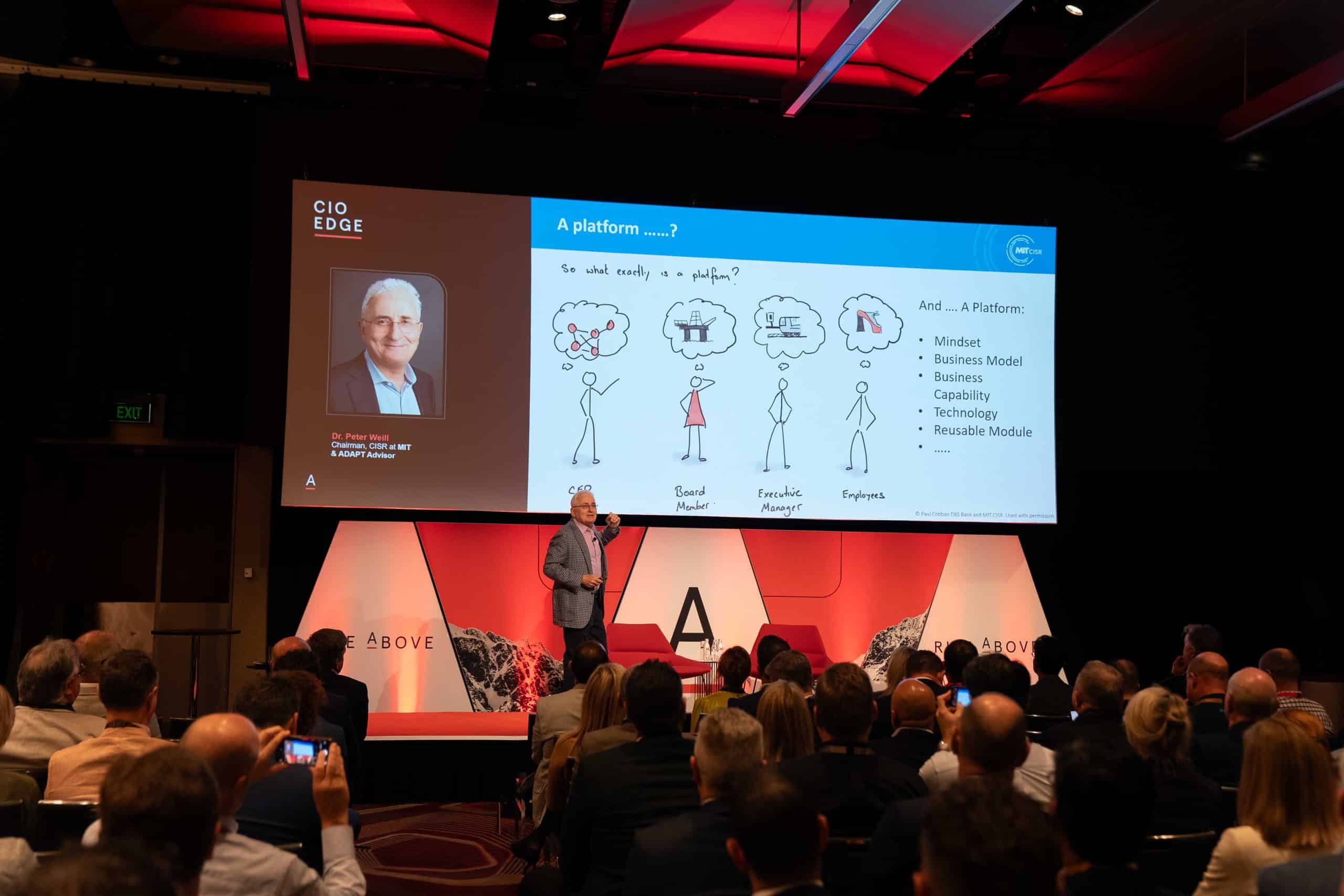
Scaling artificial intelligence (AI) effectively depends not just on pilots or isolated projects but on the strength of digital platforms. Research shows that companies with more advanced platform management achieve higher growth, stronger profitability, and greater innovation. Yet, as ADAPT’s data highlights, many organisations are struggling to realise returns from AI. 72% of data leaders report AI has not met ROI expectations, and only 4% of CFOs believe it is currently delivering value. The reason, according to MIT research, is that AI is not yet integrated into enterprise platforms with memory and orchestration at scale. Companies in the early stages of AI maturity (exploration and pilots) underperform their peers, while those moving into scaling and integration consistently achieve above-industry results.

Examples of successful platforms illustrate how they can drive long-term value. Salesforce generates around 20% of its revenue directly from platforms, hosting over 4,500 partner apps, with 91% of its customers using at least one. Shopify, meanwhile, underpins 12% of online sales in the US, offering flexible modular services from payment systems to logistics. Even non-profits are benefiting. Unicef created “NGO in a Box” by leveraging Microsoft’s ecosystem, both improving its own fundraising and offering the solution to others. These cases demonstrate how platforms not only create scalable efficiency but also open up new growth and partnership opportunities.

The impact can be transformational at an enterprise level. ANZ Bank has been recognised globally as a leader in scaling institutional platforms, improving performance margins from 7% to 13% between 2016 and 2023. Similarly, Cemex, one of the world’s largest cement firms, launched “Cemex Go”—a digital platform that allows customers to calculate cement requirements, place orders, and track delivery in real time, shifting value creation from product supply to solving customer pain points. Together, these examples show that digital platforms are becoming the enduring organisational assets, enabling AI integration, accelerating growth, and redefining how companies engage with customers and innovate.


Key takeaways:

  • Platforms are the foundation for AI ROI: Companies that manage and scale platforms effectively achieve stronger growth, profitability, and innovation, while 72% of data leaders say AI has not yet met ROI expectations and only 4% of CFOs see value delivered.
  • Real-world success stories show impact: Salesforce earns 20% of revenue from its platform ecosystem, Shopify drives 12% of all US online sales, and Unicef created “NGO in a Box” to boost fundraising and share with peers.
  • Enterprise performance gains are measurable: ANZ lifted performance margins from 7% to 13% (2016–2023) through platform scaling, while Cemex’s “Cemex Go” platform shifted value from cement supply to customer site management, proving platforms can transform business models.
ADAPT