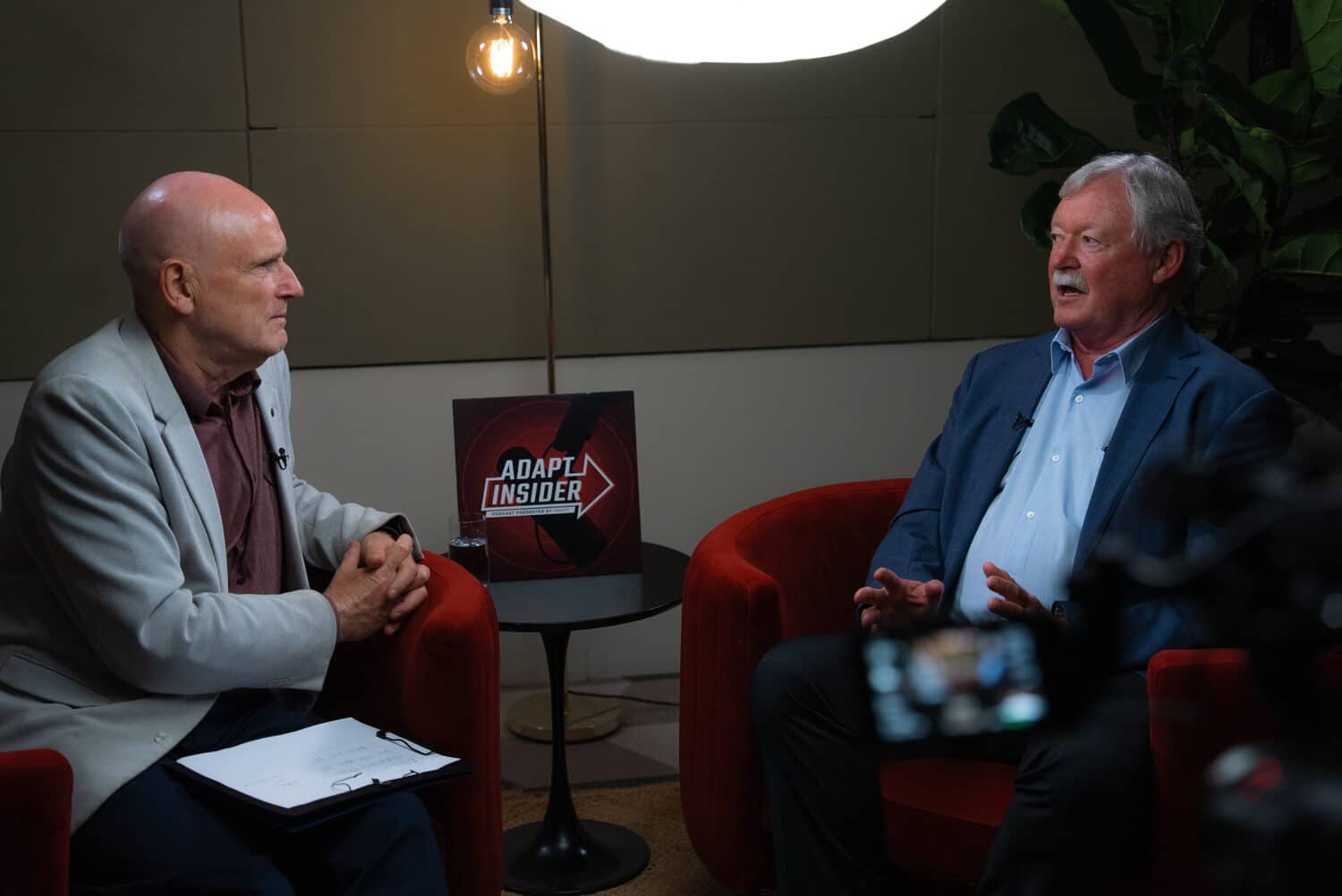
Kerry Holling, Interim CIO at University of Sydney explains that universities face rapid AI adoption driven not by staff, but by students. He says the University of Sydney responds by putting practical guardrails in place, developed jointly by IT and Legal. These guardrails protect privacy, data sovereignty and research integrity, while giving staff self‑assessment tools so governance does not become a bottleneck. Kerry stresses that overly rigid controls only push people to bypass policy, so balance is essential.
He highlights the dual challenge universities face: protecting academic freedom while ensuring safe, valid use of AI. AI accelerates research and shortens discovery cycles, but academics still value accuracy and rigour. Kerry notes that learning also improves when students use AI to deepen understanding rather than shortcut assessments. The difficult part is designing assessments that genuinely test knowledge in an AI‑enabled world, ensuring students learn rather than rely on shortcuts.
Kerry sees AI becoming foundational across research, learning and university operations, but says significant friction lies ahead. Regulation, unions, community expectations and debates around job impact all shape future adoption. He supports AI for personal productivity but rejects using agents as a mechanism for reducing headcount. He describes himself as optimistic about AI’s potential but concerned about power concentrated in large tech companies. Behaviour he believes damages trust far more than AI itself.
Key takeaways:
- Universities balance innovation with responsibility, using AI to accelerate research and improve learning while enforcing guardrails that protect privacy, data sovereignty and academic integrity.
- Assessment methods must evolve, as students increasingly use AI; universities must design evaluation that genuinely tests understanding, not just the ability to generate AI‑assisted answers.
- AI’s future in higher education is promising but complex, shaped by regulation, unions and societal expectations; leaders remain optimistic about its potential but wary of the concentration of power in large tech companies.