
Research

How to Build Shared Understanding, Flow and Learning Velocity?
Customer Experience Edge Presentations

How to Build Shared Understanding, Flow and Learning Velocity?

Aug 8, 2023 | 3 mins

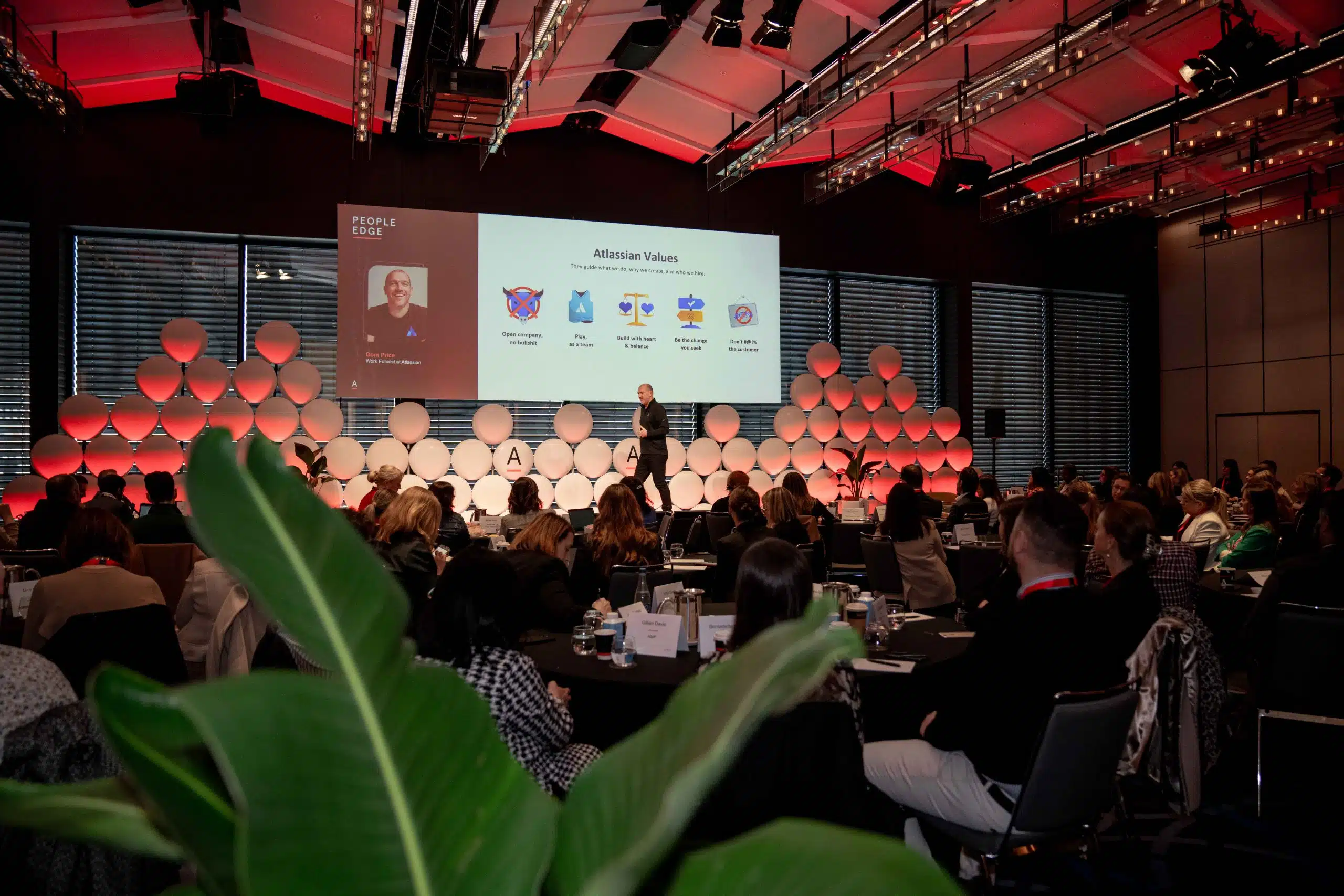
The importance of a shared understanding within teams is crucial, and the lack of it can lead to disengagement and reduced performance. Dom Price, Chief Futurist at Atlassian discusses the challenges faced during the pandemic when teams transitioned to remote work and lost the context of why they were doing their tasks. He presents a solution in the form of a “health monitor” exercise that teams can use to assess their shared understanding and improve collaboration.

Dom also discusses the value of cross-functional teams and the benefits of diverse perspectives. He encourages HR professionals to facilitate the formation of such teams to drive sustainable change within organisations. Additionally, Dom introduces the concept of “flow” and its importance in achieving high-performance teams. He argues that HR can play a crucial role in promoting flow within teams by fostering an inclusive environment that encourages respectful dissent and leverages individual learning styles.

Investing in people and their abilities drives meaningful and sustainable change in organisations. Digital fitness should start with manual processes and transition to digital solutions while keeping the focus on the underlying rationale and purpose. Continuous practice and improvement lead to better outcomes and a more engaged workforce.

Focus on actionable outcomes rather than accumulating knowledge, providing free resources and tools for teams to self-serve and enhance their effectiveness.


Key Takeaways:

The three key areas for improving organisational performance

  1. Shared understanding among cross-functional teams: To achieve this, use a health monitor exercise to assess how teams feel and identify areas for improvement. By focusing on cross-functional relationships, teams can better align their goals and create a more cohesive and efficient working environment.
  2. Flow: Focus on building strong relationships with a select number of critical teams upstream and downstream. By fostering open communication and understanding dependencies, teams can improve the flow of work and reduce surprises or last-minute challenges.
  3. Learning velocity: Enable teams to learn quickly and adapt their strategies based on insights. Dom showcased an internal tool called Atlas that facilitates regular updates and learnings from teams, helping to democratise knowledge and drive faster decision-making.
ADAPT