Agentic AI introduces a new operating model.
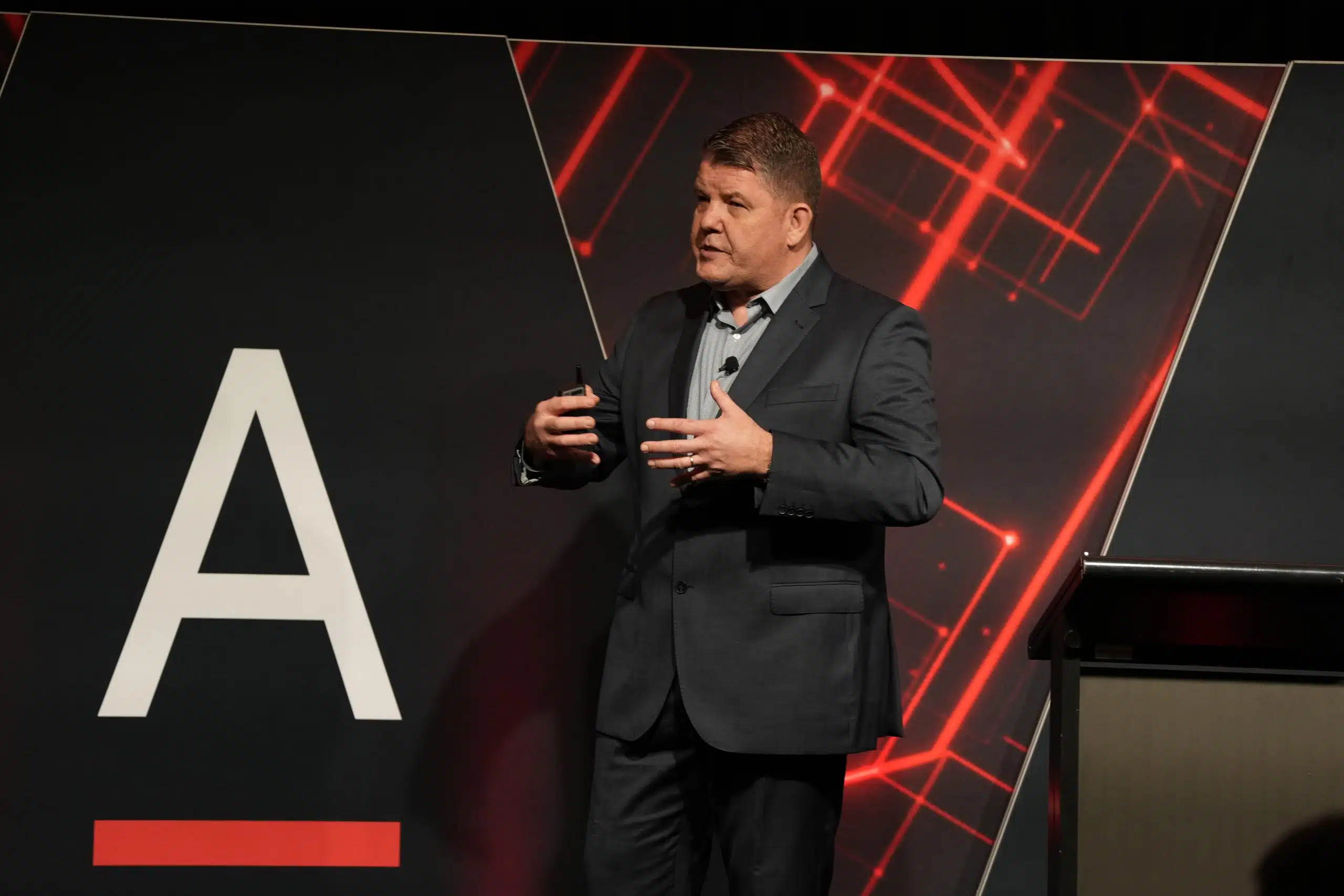
Dennis Remmer, Senior Director for Global Service Delivery in the Asia/Pacific at Rimini Street positions agentic AI as a system of intelligence that sits above ERP and drives autonomous, goal-based actions.
Unlike traditional or generative AI, agentic systems actively make decisions and execute workflows. This transforms business processes, enabling faster, adaptive and more automated operations across systems.
Best‑of‑breed ecosystems replace monolithic platforms
He highlights the shift from single ERP systems to integrated, best‑fit applications across CRM, HR and finance. Integration challenges are largely solved, allowing organisations to select specialised tools. Agentic AI then orchestrates processes across this ecosystem, increasing flexibility and reducing reliance on a single vendor.
Proof of value requires focused, governed pilots
Dennis emphasises starting with targeted agentic AI proofs of concept built around specific roles or processes. Well-defined use cases, structured training and strong governance are essential. Without clear controls such as human checkpoints, access limits and decision boundaries, agentic systems introduce financial and operational risk.
Cost optimisation funds innovation
Organisations can fund AI innovation by reducing the cost of maintaining core enterprise systems. Legacy ERP consumes significant budget through licensing, upgrades and vendor constraints. Redirecting these funds into innovation creates a sustainable pathway to adopt agentic AI without increasing overall spend.
Control and governance remain critical
Agentic AI must operate within defined security, compliance and control boundaries. Autonomous systems can act at scale and speed. Without governance, errors or breaches can have significant financial and operational impact. Trust depends on embedding control into the design from the outset.
Key takeaways
- ERP must transition to a stable system of record, with innovation driven by an AI layer.
- Agentic AI unlocks automation by acting, deciding and orchestrating across systems.
- Organisations can fund AI transformation by reducing legacy system costs and reinvesting in innovation